
PossibleWorks vs ADP
Payroll infrastructure and HR compliance are table stakes. But running payroll is not the same as managing performance, and most organizations relying on ADP are discovering that gap.
ADP is one of the most trusted names in payroll processing and HR compliance. Decades of scale, deep regulatory expertise, and a broad product suite covering tax administration, benefits, and workforce management have made ADP the default choice for organizations that need payroll to simply work, reliably, at scale. That credibility is real and earned.
But payroll infrastructure and performance intelligence are fundamentally different disciplines. ADP Workforce Now includes performance review modules, but they remain secondary to its core payroll and compliance architecture. The performance tools follow the same logic as the broader platform: structured, periodic, process-centric. What they do not do is capture how work is actually being executed day to day, specifically the signals that reveal not just whether a review was completed, but whether performance is actually improving.
PossibleWorks is purpose-built to answer that question. Powered by AltR AI, it captures real work signals directly from tools like Jira, GitHub, Slack, and Microsoft Teams, and converts them into continuous, execution-connected performance intelligence. For organizations that have outgrown the review cycle as their primary window into performance, or that rely on ADP for payroll but need a more rigorous performance layer, PossibleWorks provides what ADP was never designed to deliver.
Quick Comparison
 PossibleWorks
 Yes (continuous)
Where ADP Excels
ADP's strength lies in payroll, tax compliance, and workforce administration, making it a trusted choice for large organizations with complex compliance needs.
Workforce Now includes a structured performance review process suited for organizations that treat reviews primarily as a compliance and documentation function. Talent acquisition, performance management, compensation, and learning are offered as add-ons, with the performance module sitting outside the core platform.
PossibleWorks takes a different approach. While ADP's performance tools focus on structured, periodic reviews, PossibleWorks builds performance intelligence from execution itself, making performance visible in real time.


Where PossibleWorks Stands Out
Unlike ADP, which approaches performance management as an extension of HR operations and payroll, PossibleWorks treats performance intelligence as its primary discipline, building a continuous, execution-connected performance record from the tools where work actually happens. Unlike ADP's separately purchased talent add-ons, PossibleWorks' performance intelligence is native to the platform, not bolted onto a payroll system.
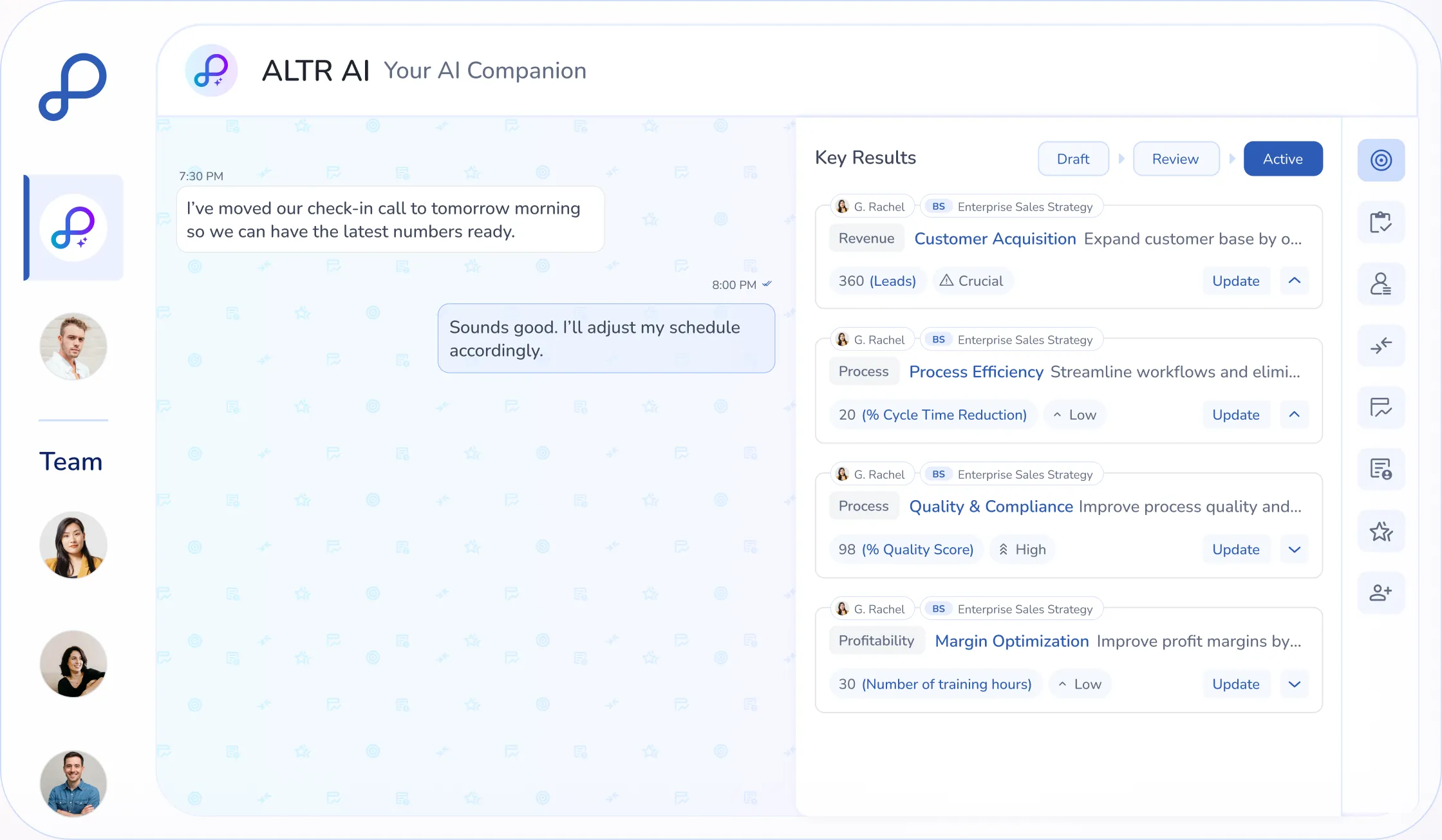
Single Screen Experience
All performance workflows including goals, feedback, performance reviews, skills, and insights are unified in one interface. ADP splits equivalent functionality across separately purchased add-on modules for talent, compensation, and learning, on top of its core payroll and HR administration product.
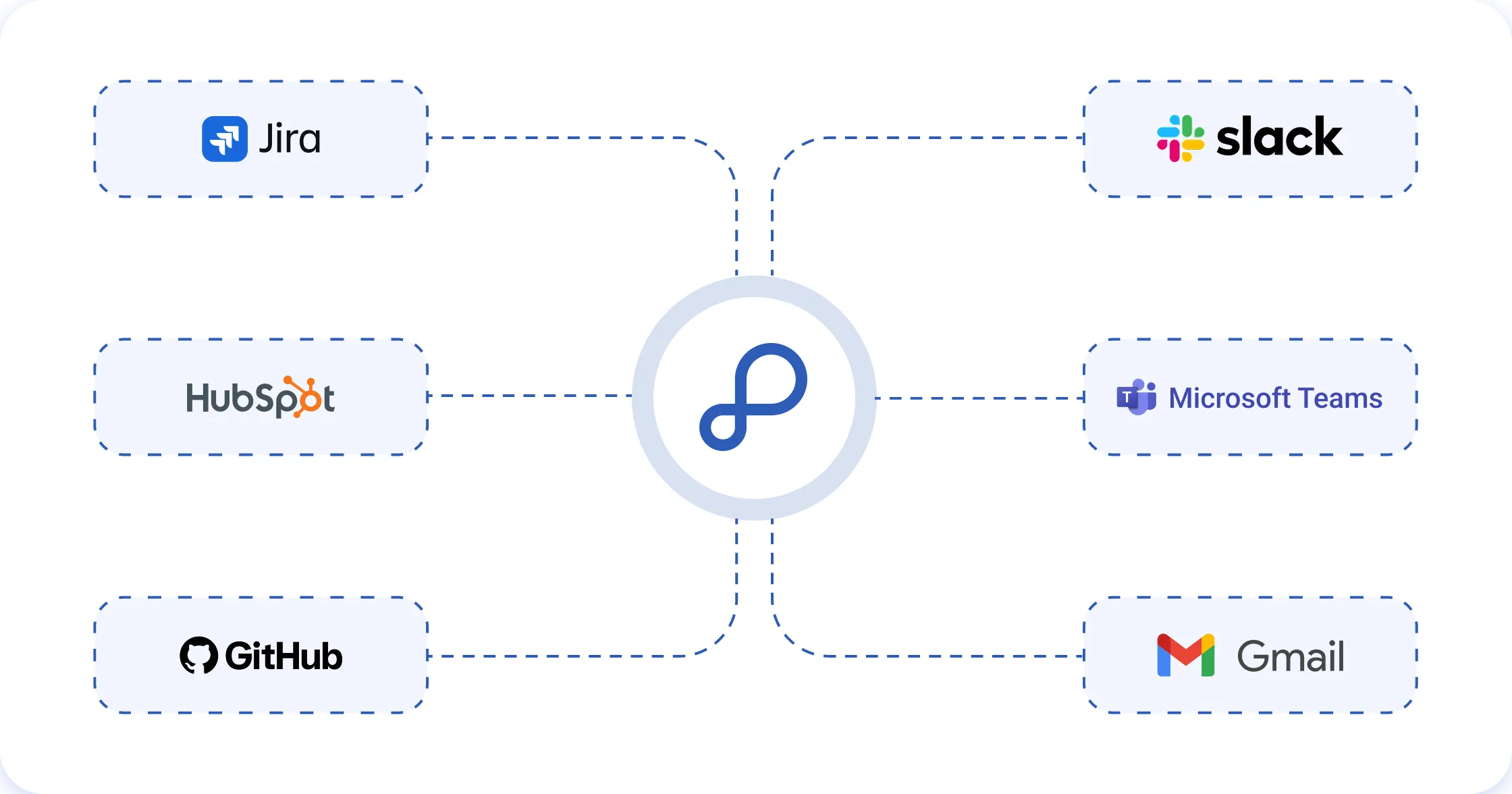
Execution-Connected Performance Intelligence
PossibleWorks captures performance signals from real work activity in tools like Jira, GitHub, Slack, and Teams. This creates a continuous performance record based on what employees actually did, not just what was documented during a review cycle.
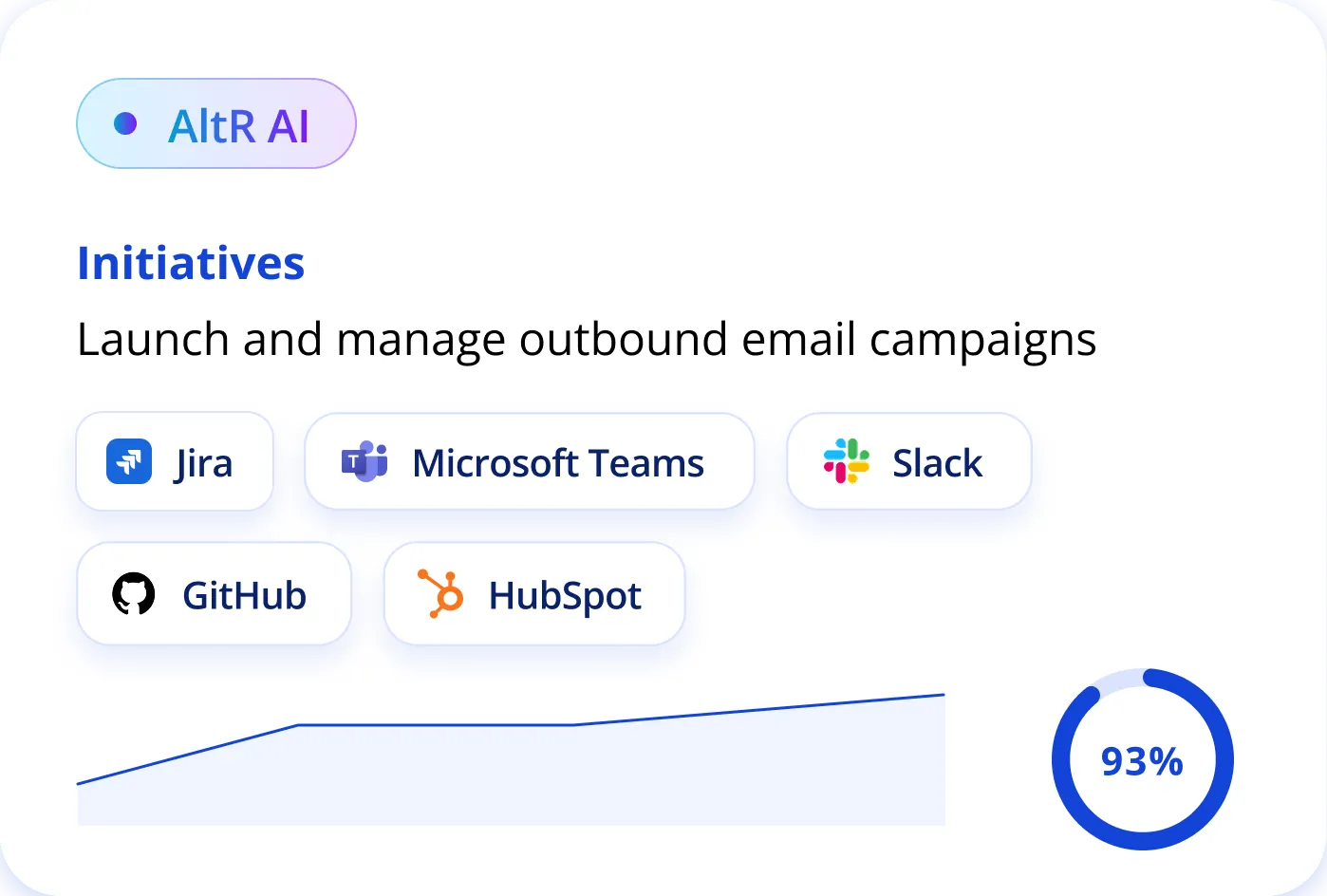
AltR AI Powered Insights
AltR AI converts everyday work signals into structured performance insights automatically. Unlike ADP Assist, which is focused on payroll queries and HR administration, AltR AI is purpose-built for performance intelligence.
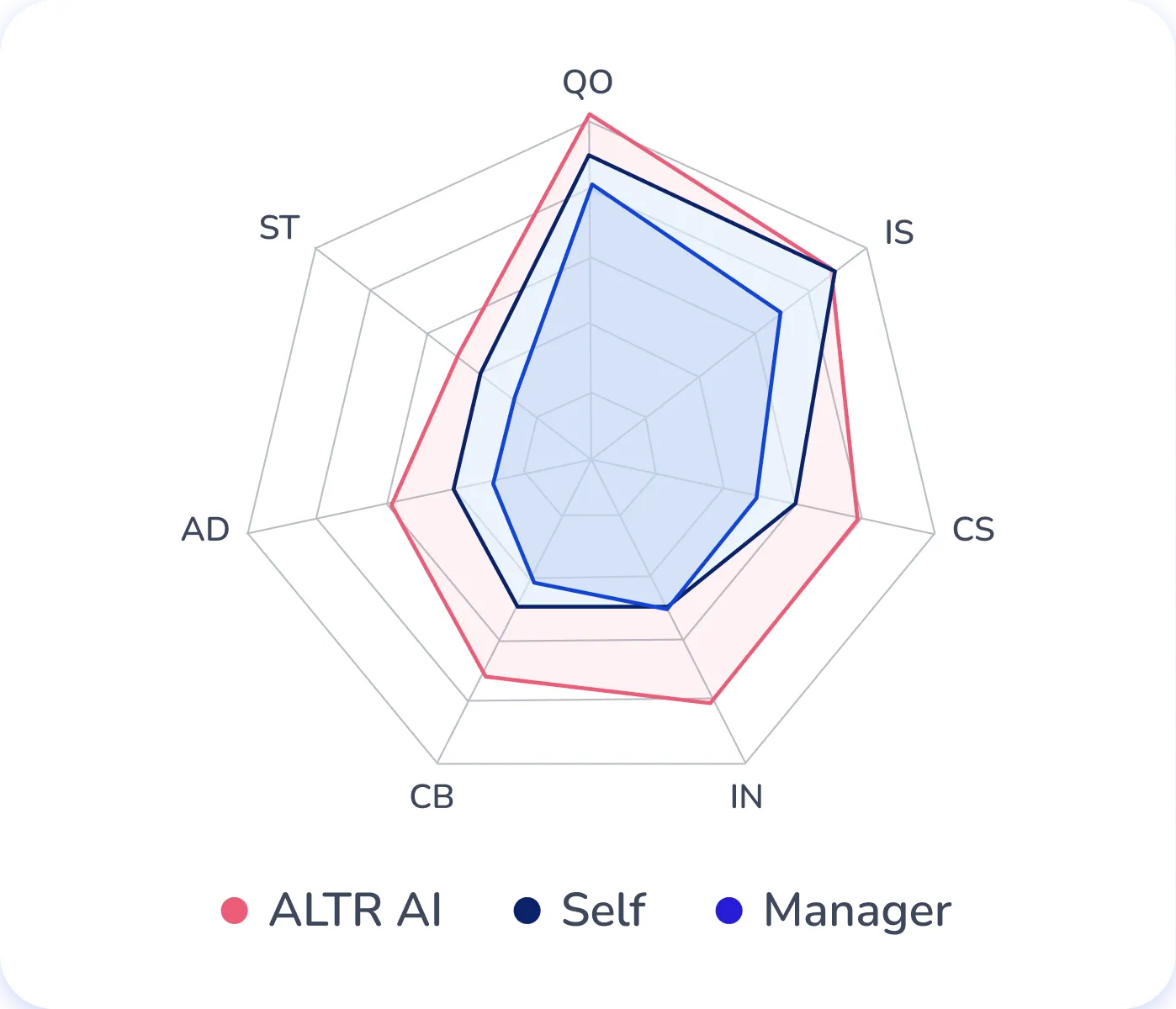
Skills Inferred from Real Work
Skills in PossibleWorks are derived from observed execution, not from structured assessments or manager ratings. This creates a more accurate and dynamic picture of capability.
Performance-Aligned Compensation
PossibleWorks connects compensation planning directly to execution-based performance data. This creates tighter alignment between what employees deliver and what they are paid, within a single platform.
Frequently Asked Questions
Can PossibleWorks work alongside ADP?

Does PossibleWorks replace ADP's performance module?

How is AltR AI different from ADP Assist?
Is PossibleWorks suitable for large organizations currently using ADP?
Does PossibleWorks support compensation planning?