
PossibleWorks vs Keka
An HR platform that actually works for the SMB and mid-market segment is a real achievement. But operational HR clarity and execution-connected performance intelligence are solving two different problems.
Keka built its reputation by solving a specific and longstanding frustration in the SMB and mid-market segment: HR and payroll software that was powerful enough to handle complex compliance requirements without being overwhelming to deploy or use. Its combination of payroll accuracy, clean UX, and genuinely usable performance and engagement tools earned it rapid adoption among organizations that had struggled with legacy platforms or imported solutions that never quite fit.
The performance module within Keka is thoughtfully designed: continuous feedback options, OKR tracking, review workflows, and an engagement layer that complements performance data. For organizations in the 200–2000 employee range that want HRMS and performance management in a single system, Keka provides a well-calibrated solution.
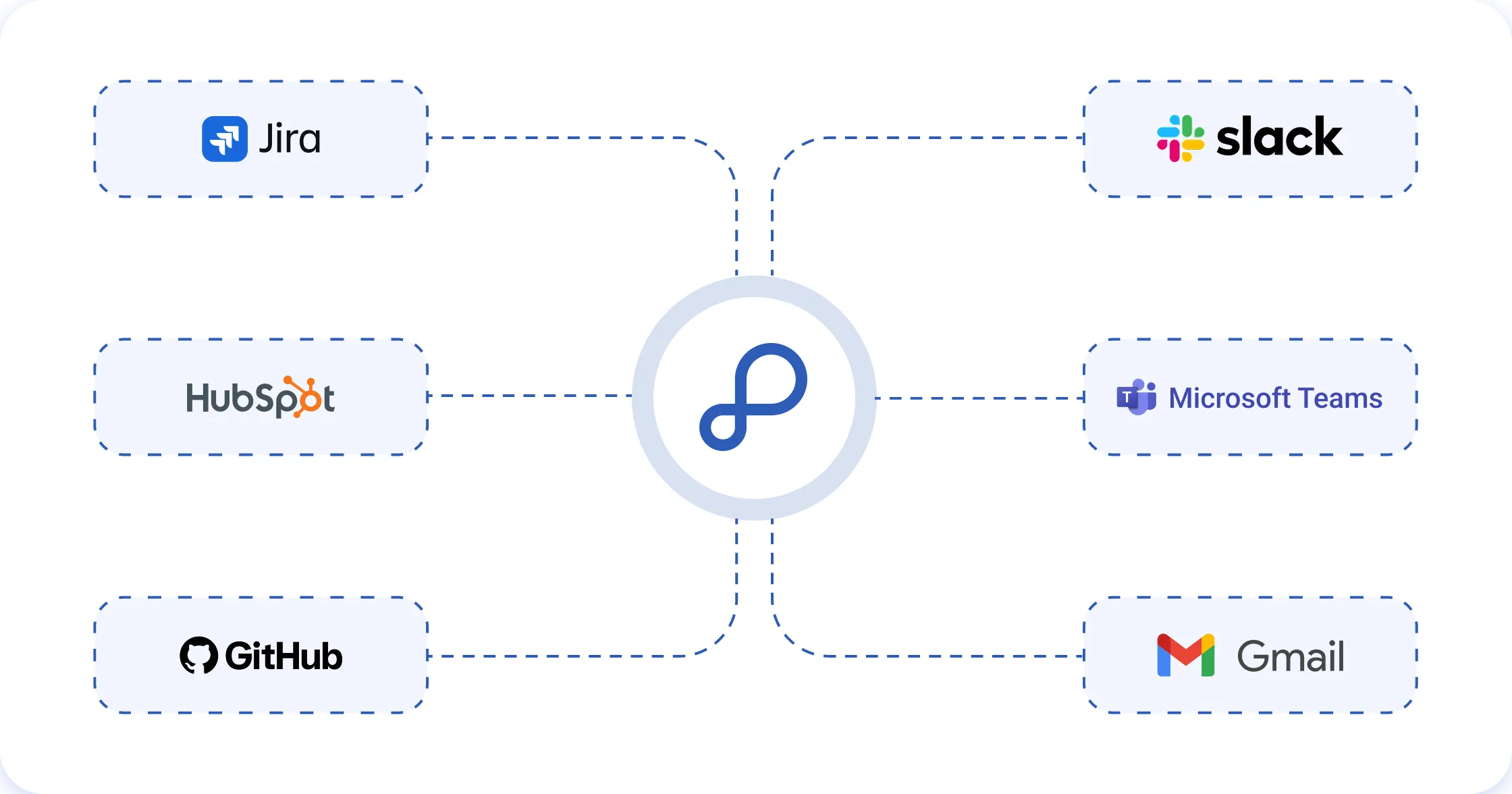
The structural limit, shared across HRMS-embedded performance tools, is the performance signal itself. Keka captures performance through structured inputs, manager assessments, and review cycles, all well-executed but bounded by what is entered into the system. PossibleWorks goes below that layer. AltR AI reads work signals directly from operational tools like Jira, GitHub, Slack, and Microsoft Teams, building a continuous performance record from how employees actually work, not from what they or their managers document. For organizations using Keka for HR and payroll who want performance intelligence that reflects execution rather than just process, PossibleWorks provides the layer Keka was not designed to generate.
Quick Comparison
 PossibleWorks
 Keka
Keka Yes (continuous)
Where Keka Excels

Keka's primary strength is its complete HRMS for SMBs and mid-market organizations, combining payroll, compliance, and core HR in one platform. Its intuitive design makes it a preferred choice for fast-growing businesses.
Its performance module goes beyond typical HRMS capabilities with OKR and goal tracking, customizable review cycles, 360-degree feedback, 9-box talent grids, continuous feedback, and performance-linked compensation recommendations. This feature depth rivals dedicated performance platforms at a fraction of the cost.
The distinction with PossibleWorks is in what performance data reflects. Keka captures performance through structured workflows and manager inputs, while PossibleWorks captures execution signals from real work, generating continuous, evidence-based performance intelligence before anything is manually documented.


Where PossibleWorks Stands Out
Unlike Keka, which embeds performance management within an HRMS built for operational compliance, PossibleWorks derives performance intelligence from real work execution, generating a continuous, evidence-based performance record that structured HRMS workflows are not architected to produce.
Single Screen Performance Experience
All performance workflows including goals, feedback, reviews, skills, and insights are unified in one interface, distinct from Keka's multi-module HRMS architecture where performance is one section among many.
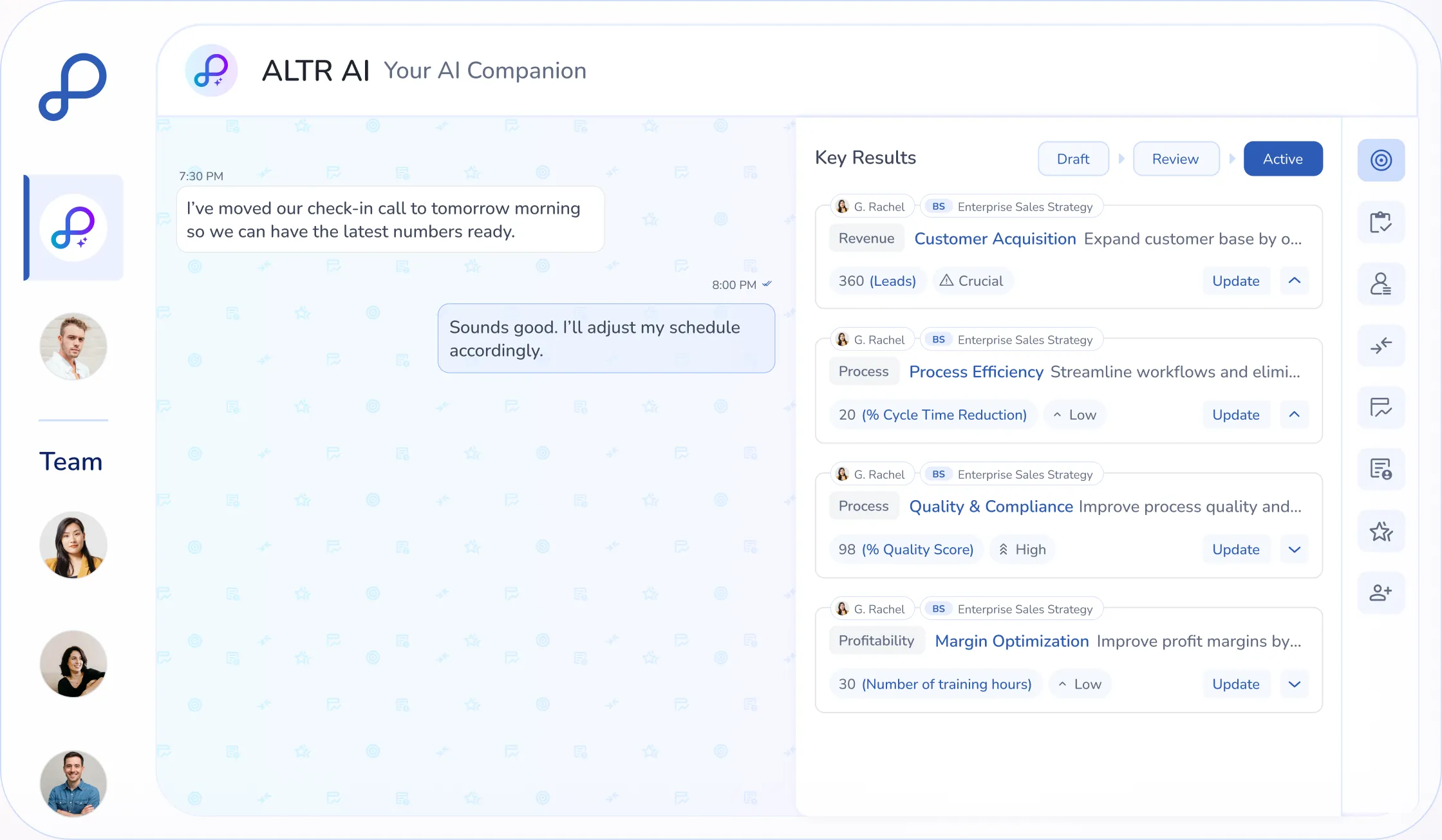
Execution-Connected Performance Signals
Performance is captured continuously from everyday work across tools like Jira, GitHub, Slack, and Teams. This creates a performance record based on what employees actually delivered, not on what was entered during review windows.
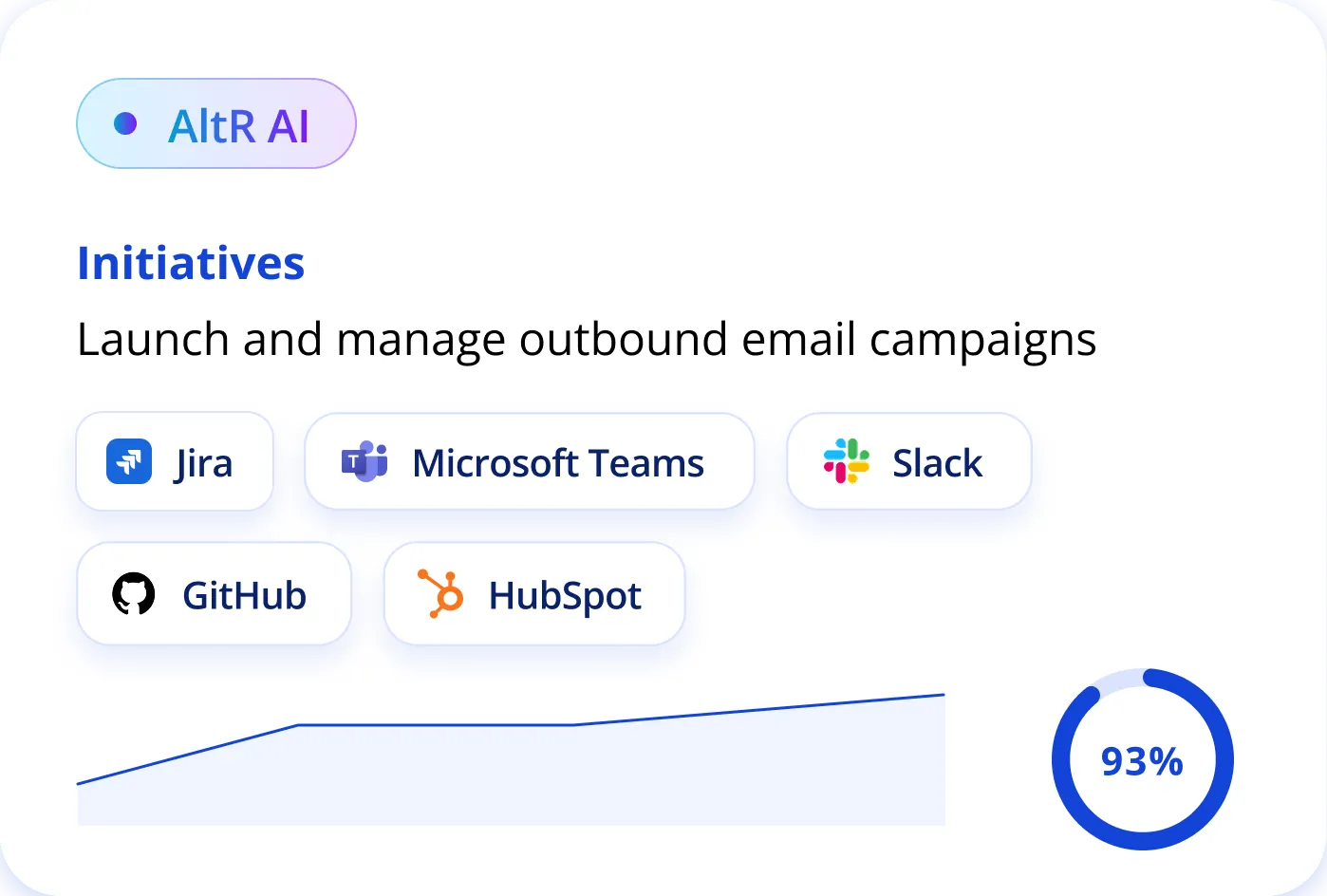
AltR AI Powered Performance Intelligence
AltR AI is purpose-built to convert real work signals into structured performance insights, a fundamentally different capability from the workflow assistance features embedded in Keka's HR platform.
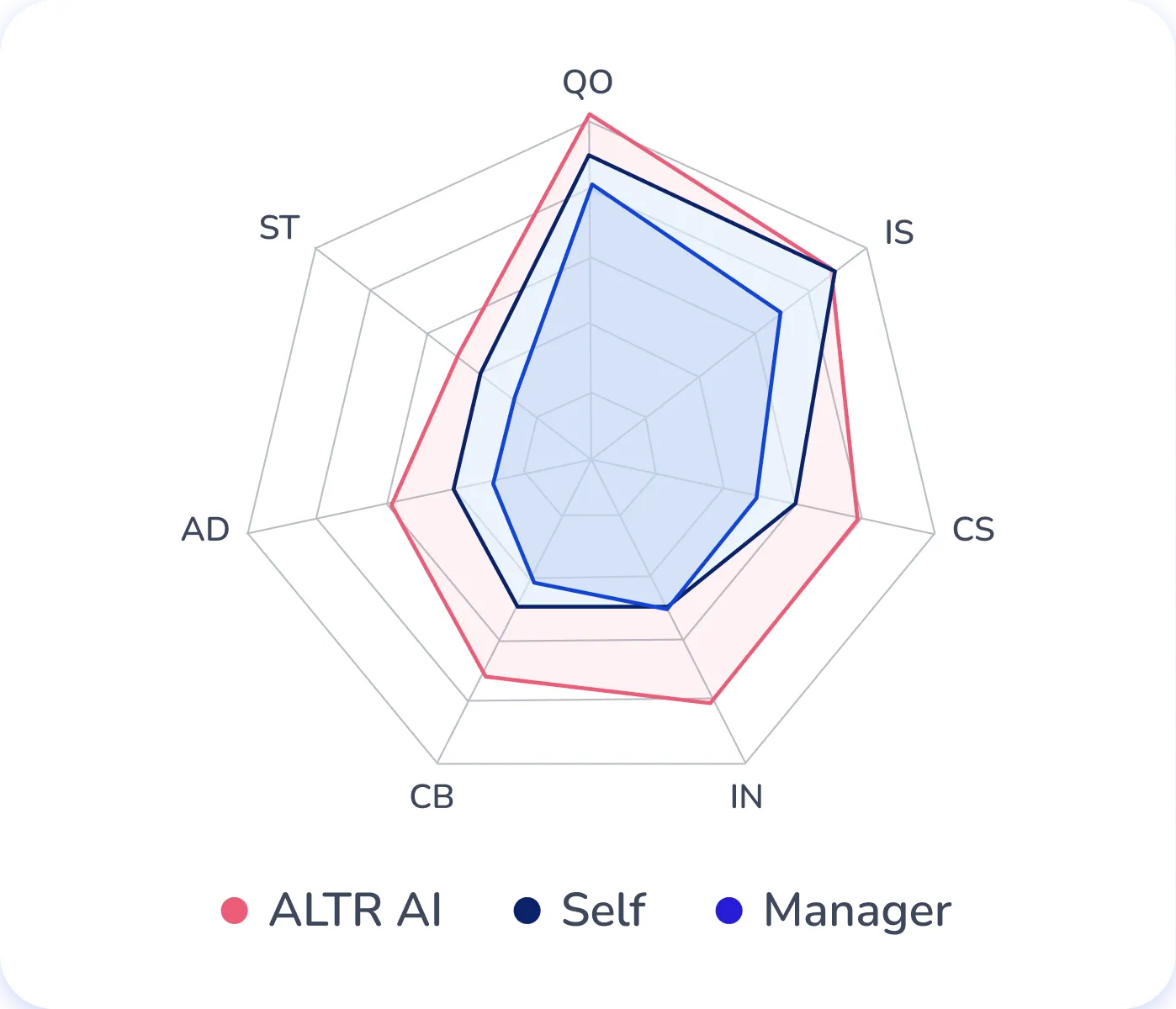
Skills Inferred from Real Work
Skills in PossibleWorks are derived from observed execution, making capabilities visible through what employees actually do rather than through structured assessments or self-reported inputs alone.
Performance-Aligned Compensation
PossibleWorks connects execution-based performance data directly to compensation planning within the same platform, enabling outcome-aligned pay decisions that go beyond payroll-integrated compensation tools.
Frequently Asked Questions
Can PossibleWorks work alongside Keka?

Does PossibleWorks replace Keka's performance module?

Is PossibleWorks suited for mid-market companies using Keka?
How is AltR AI different from Keka's HR features?
What does PossibleWorks add beyond what Keka's performance tools provide?