
PossibleWorks vs Rippling
Automation that unifies HR, IT, and Finance is powerful. But operational integration is not the same as performance intelligence built from how work actually happens.
Rippling built something genuinely new in the HR Tech space: a platform that unifies HR, payroll, IT, and finance operations on a single employee record, enabling a level of automation across onboarding, provisioning, compliance, and benefits that fragmented point solutions cannot match. The engineering ambition is real, and for organizations where operational efficiency such as provisioning a new hire's laptop, managing device compliance, and automating benefit enrollments is a high-priority workflow, Rippling delivers capabilities no traditional HRIS can replicate.
Its performance management module exists within this broader operational context. It provides structured review workflows, goal setting, and feedback collection, all well-executed and consistent with Rippling's design quality. What it reflects is the platform's underlying orientation: performance as a workflow to be automated and managed, not as a signal to be extracted from real work.
PossibleWorks approaches performance from a fundamentally different direction. AltR AIdoes not manage the performance process. It captures performance from the execution layer, reading signals from operational tools like Jira, GitHub, Slack, and Microsoft Teams to build a continuous, evidence-based performance record. For organizations that want Rippling's operational power and also need performance intelligence that reflects what employees are actually delivering, PossibleWorks provides the layer Rippling was not designed to deliver.
Quick Comparison
 PossibleWorks
 Rippling
 Yes (continuous)
Where Rippling Excels

Rippling's strength lies in unifying HR, IT, and finance through a single employee record. Its shared data layer streamlines payroll, compliance, app provisioning, and device management for growing organizations.
Its performance module is well integrated, offering structured and automated review workflows that align with the platform's overall experience.
The difference with PossibleWorks is intent. While Rippling automates performance processes, PossibleWorks generates performance intelligence from execution itself, capturing signals from everyday work to deliver continuous, evidence-based insights beyond traditional reviews.


Where PossibleWorks Stands Out
Unlike Rippling, which unifies HR, IT, and finance operations and applies that same workflow logic to performance management, PossibleWorks derives performance intelligence from real work execution, making the quality of performance data independent of process frequency or manager documentation effort.
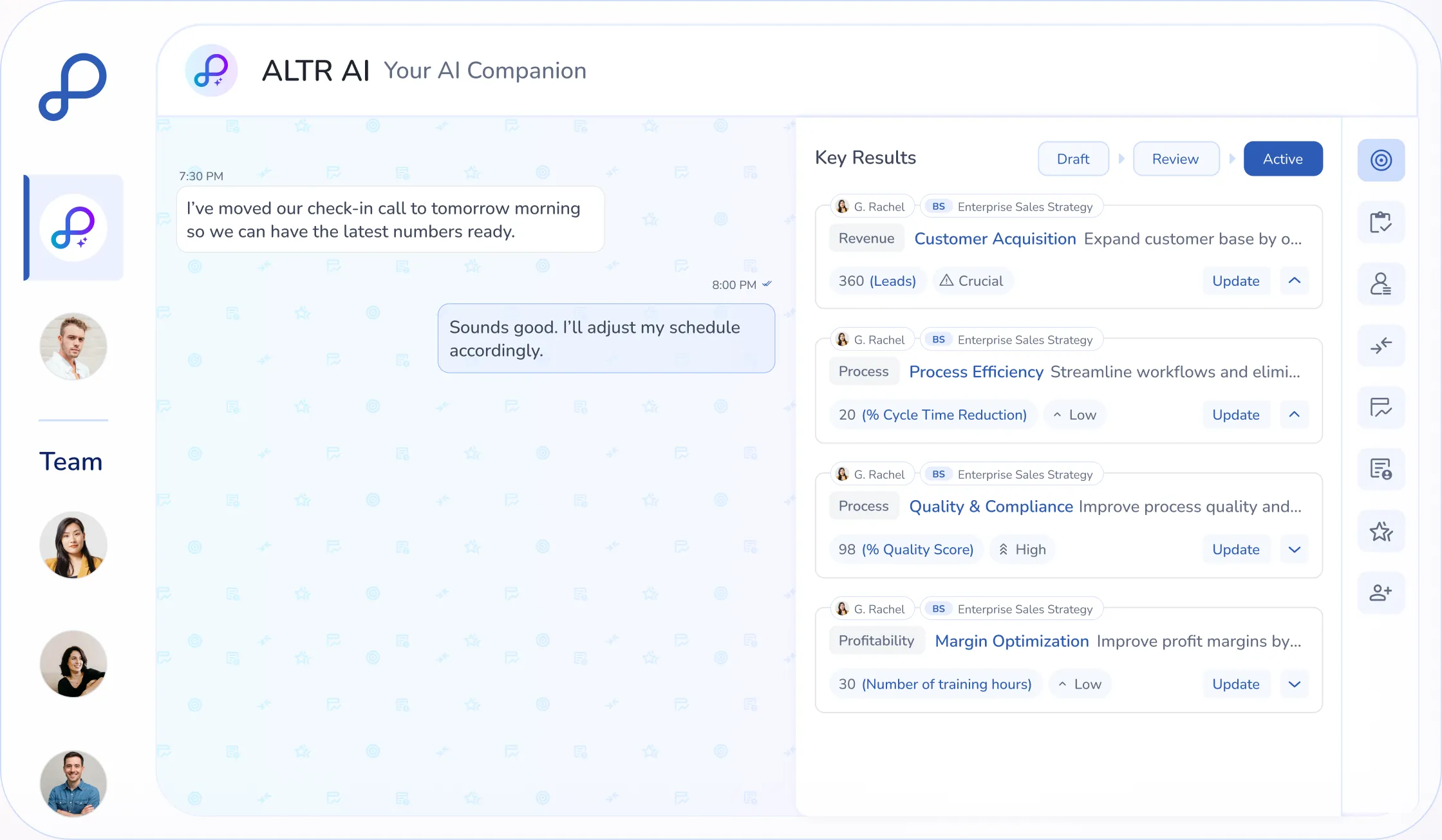
Single Screen Experience
All performance workflows including goals, feedback, reviews, skills, and insights are unified in one interface. Rippling's employee graph unifies the underlying data, but performance still lives as one module among HR, IT, and finance products; PossibleWorks treats performance as the entire interface, not a section of it.
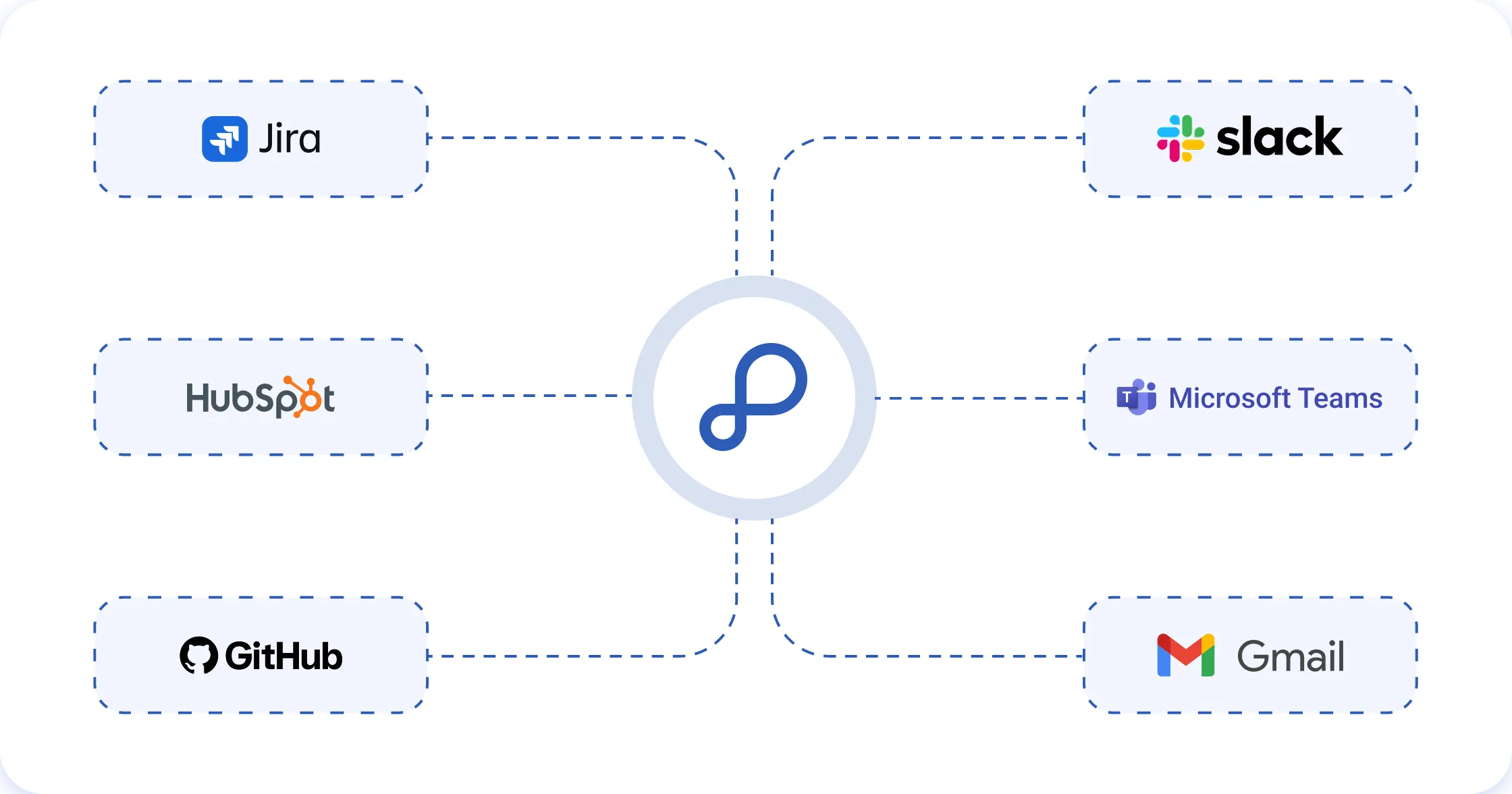
Execution-Connected Performance Signals
Performance is captured continuously from operational tools like Jira, GitHub, Slack, and Teams, not from structured inputs during defined review windows. This provides a real-time view of execution that Rippling's performance module cannot generate.
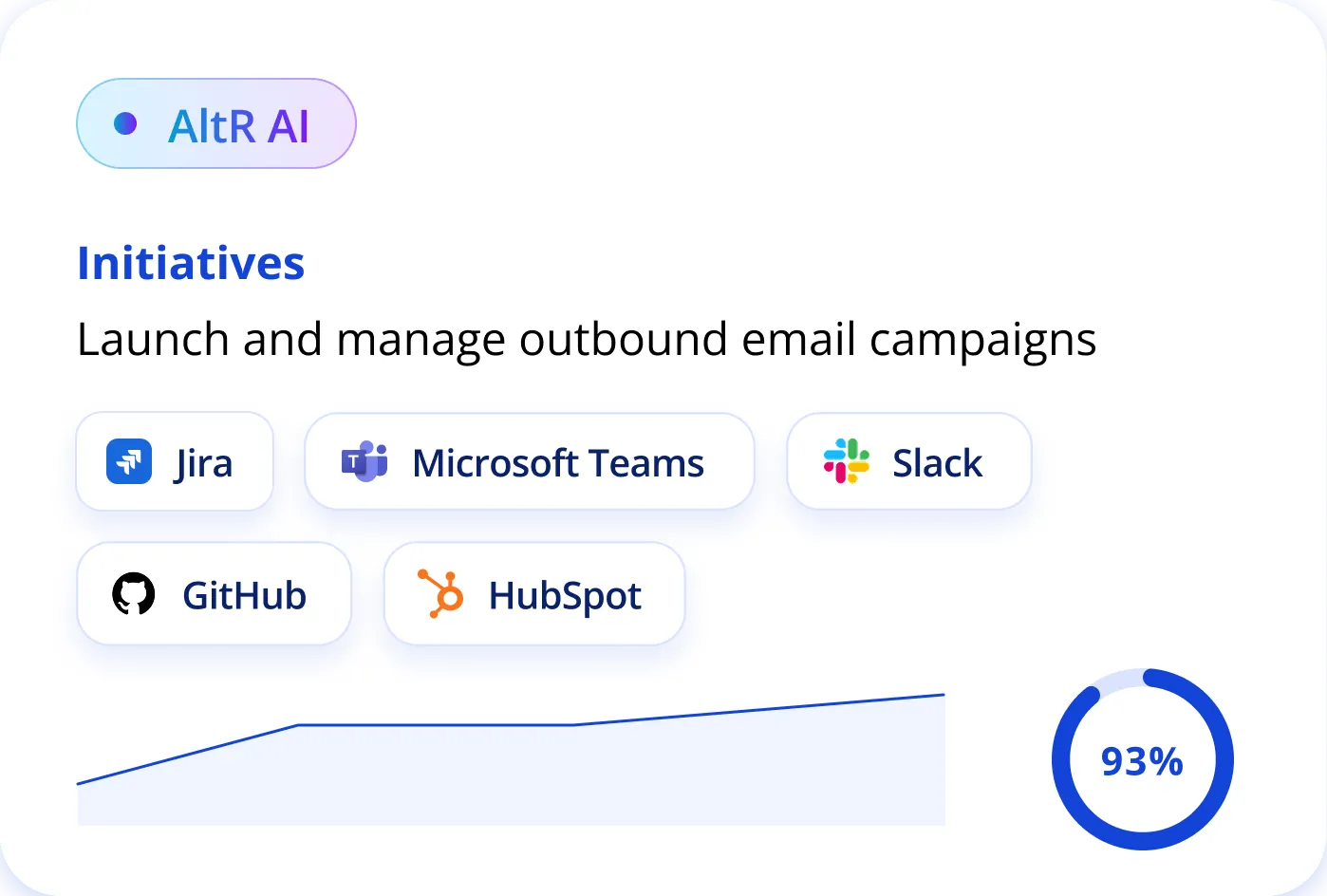
AltR AI Powered Performance Insights
AltR AI converts work signals into structured performance insights automatically. Rippling AI is genuinely capable here too, running review cycles, calibrations, and compensation workflows. The difference is where the signal originates: Rippling AI operates on data entered through a review cycle; AltR AI captures signals from execution tools before a review cycle ever starts.
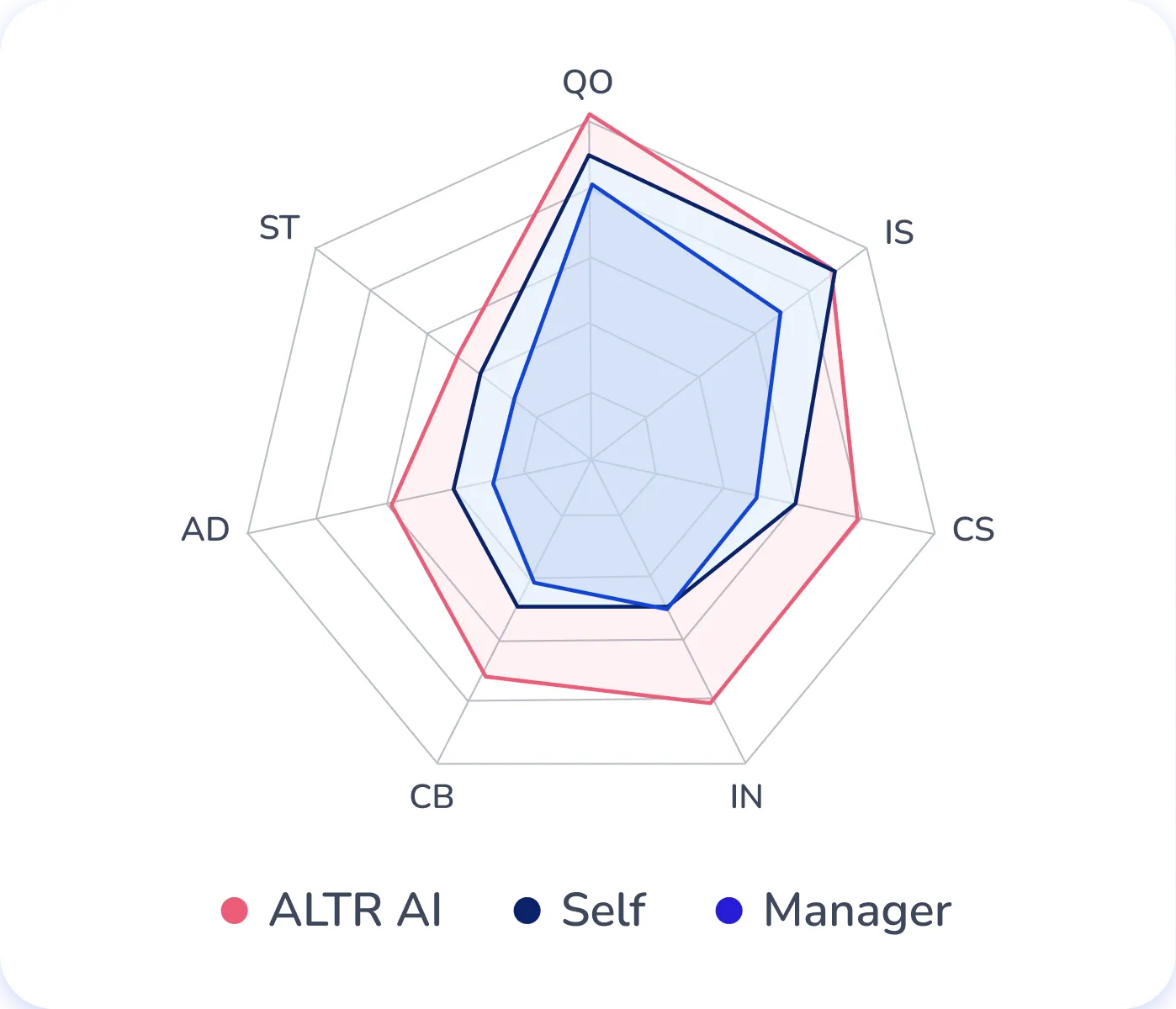
Skills Derived from Real Work
Skills in PossibleWorks are inferred from real work, creating dynamic capability profiles that evolve with every contribution. By capturing demonstrated skills from everyday work, collaboration, and outcomes, organizations gain an accurate, evidence-based view of workforce capabilities without relying solely on assessments or manager inputs.
Performance and Compensation Aligned Natively
PossibleWorks connects execution-based performance data directly to compensation planning within the same platform. Rippling can push compensation decisions into payroll too, with automated approval rules and budget allocation. The differentiator isn't the comp-to-performance link itself, which both platforms offer, but the source of the performance data feeding that link.
Frequently Asked Questions
Can PossibleWorks work alongside Rippling?

Does PossibleWorks replace Rippling's performance module?

How is AltR AI different from Rippling's AI capabilities?
Is PossibleWorks suitable for fast-growing tech companies using Rippling?
What does PossibleWorks add beyond what Rippling's performance tools provide?